blog


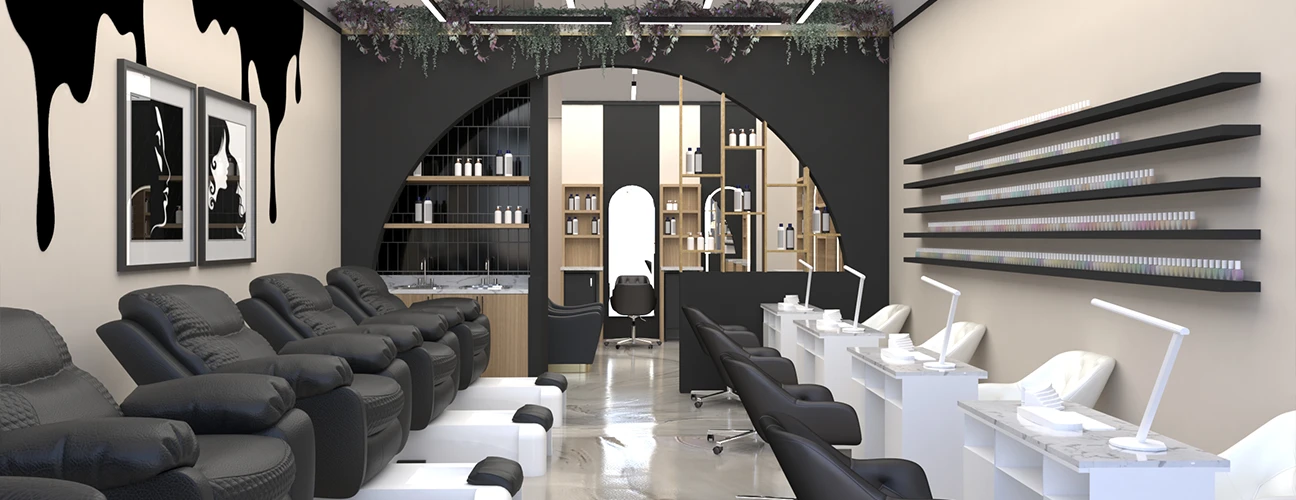
When people think about interior design, they often think about what they can see: the materials, lighting, furniture, colour, finishes and, eventually, the finished space.
But some of the most important work we do happens long before any of that.
Before we start designing, we need to understand.
We need to understand the business, the people using the space, how they move through it, what is working today, what isn't, and where that business is going next. This early stage of the process is called programming, and in my opinion, it is one of the most important parts of a successful project.
Because a beautiful space that doesn't function well is still a poorly designed space.
Programming can sometimes be mistaken for creating a list of spaces: six offices, four treatment rooms, a reception area, staff room, storage and so on.
That's part of it, but good programming goes much deeper.
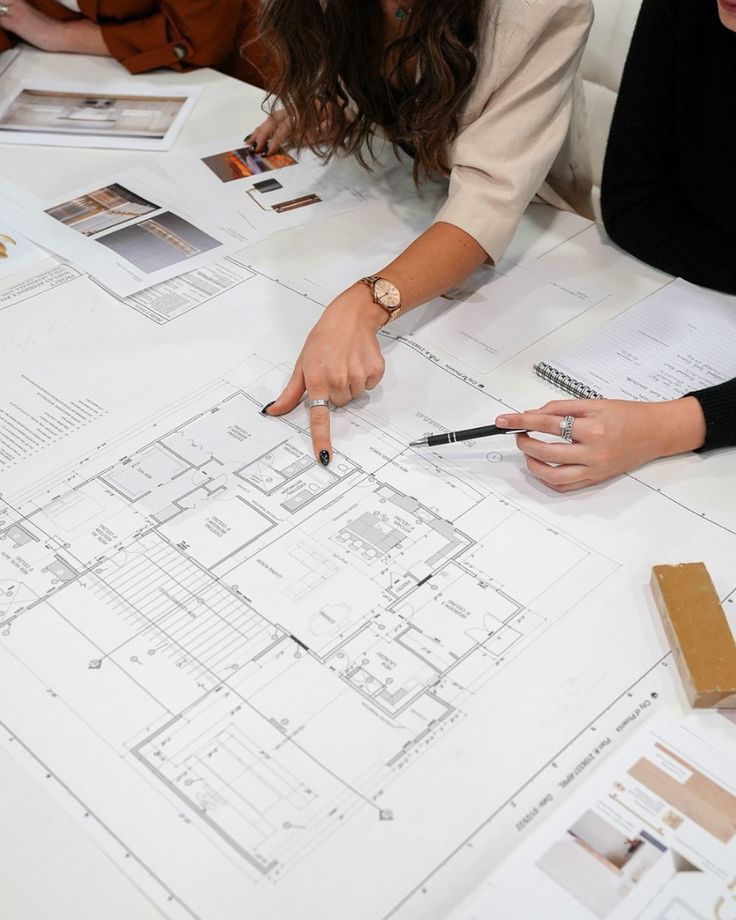
At Aray, we're trying to understand the relationships behind those spaces. How does the business actually operate? How do staff move throughout their day? How does a client or patient experience the environment? Where are there inefficiencies? What needs to happen behind the scenes for everything at the front to feel effortless?
Often, the most valuable information isn't contained in the initial wish list at all. It comes through conversation, observation and knowing where to dig a little deeper.
That's where experience becomes incredibly important.
Our clients are experts in their businesses. Our role is to understand what they tell us, recognize what might be missing, and translate both into the built environment.
One of the reasons we place so much emphasis on programming is that decisions made early have a ripple effect throughout the entire project.
A seemingly simple planning decision can affect workflow, privacy, equipment requirements, mechanical and electrical systems, accessibility, storage, construction costs and even how easily a business can grow in the future.
The earlier we understand those relationships, the more intentionally we can design around them.
It is much easier to solve a problem while we are still discussing possibilities than after drawings are complete or construction has started.
Good programming gives us the opportunity to slow down at the beginning so the rest of the project can move forward with greater clarity.
Function is only one part of the conversation.
We also want to understand what the space needs to do for the people experiencing it.
In a healthcare environment, that might mean reducing uncertainty and creating a greater sense of calm. In a workplace, it could mean balancing collaboration with opportunities for focus and privacy. In retail or hospitality, the environment may need to encourage exploration, connection or a longer stay.
This is where programming connects closely with Aray's approach to human-centred and neurological design.
Before we begin choosing materials or developing a visual concept, we want to understand the desired experience. How should someone feel when they enter? What should feel intuitive? Where might there be friction, overstimulation, or uncertainty?
Once we understand those goals, design decisions can begin supporting them intentionally.
A project also has to make sense from a business perspective.
Every square foot has a cost. For many of our clients, particularly in healthcare, wellness, retail and hospitality, space also has the potential to generate revenue.
That doesn't mean simply trying to fit as much as possible into a floor plan. In fact, that can create entirely different problems.
It means understanding priorities and finding the right balance between operational requirements, client experience, staff needs, budget, and future growth.
Sometimes programming reveals that a client needs less space than they originally thought. Sometimes it identifies an important function that hasn't been accounted for at all. And sometimes it changes the way we think about the project entirely.
Those discoveries are much better made before design begins.
We also don't want to design only for the business that exists today.
Businesses evolve. Teams grow. Technology changes. New services are introduced. Equipment changes. Client expectations shift.
We can't predict every future need, nor should we try to. But we can make thoughtful decisions that create flexibility and avoid limiting future opportunities.
The goal isn't necessarily to build for every possibility today. It’s about creating flexibility for the business to grow and evolve overtime.
Programming isn't about arriving with all the answers.
It's about knowing what information we need to uncover before we start proposing solutions.
Over the years, I have found that some of the most important pieces of information come from conversations clients didn't initially realize were part of interior design. A small comment about how staff currently work, a frustration with an existing space or a future business goal can completely change the way we approach a plan.
Those are the moments I love.
Because that's when design stops being about fitting rooms into a floor plate and starts becoming about solving the right problem.
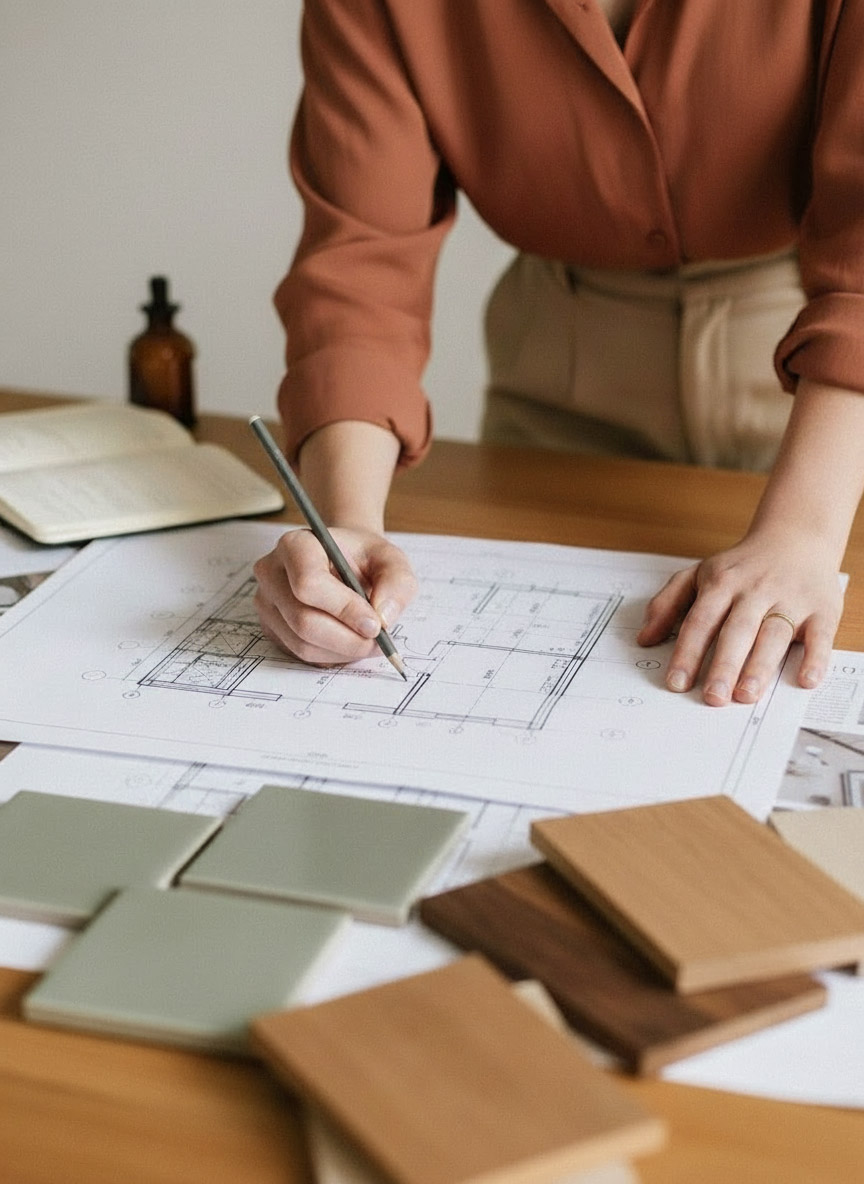
At Aray, we spend time at the beginning of a project listening, learning and understanding before we start drawing. It gives our clients greater clarity, gives our consultant teams better information, and gives the design a much stronger foundation.
Programming may not be the part of the project everyone sees.
But when it is done well, you can feel the difference in everything that comes after.
If you’re planning a commercial, healthcare / wellness, workplace, education, retail, hospitality, or assisted-living project in Alberta or Western Canada, and want a licensed interior design partner who collaborates seamlessly with your contractor team.
If you want an interior design firm that brings strategic thinking, licensed expertise, and creative clarity to complex projects, Aray provides the leadership to move your project forward with confidence.
Start the conversation today.