blog


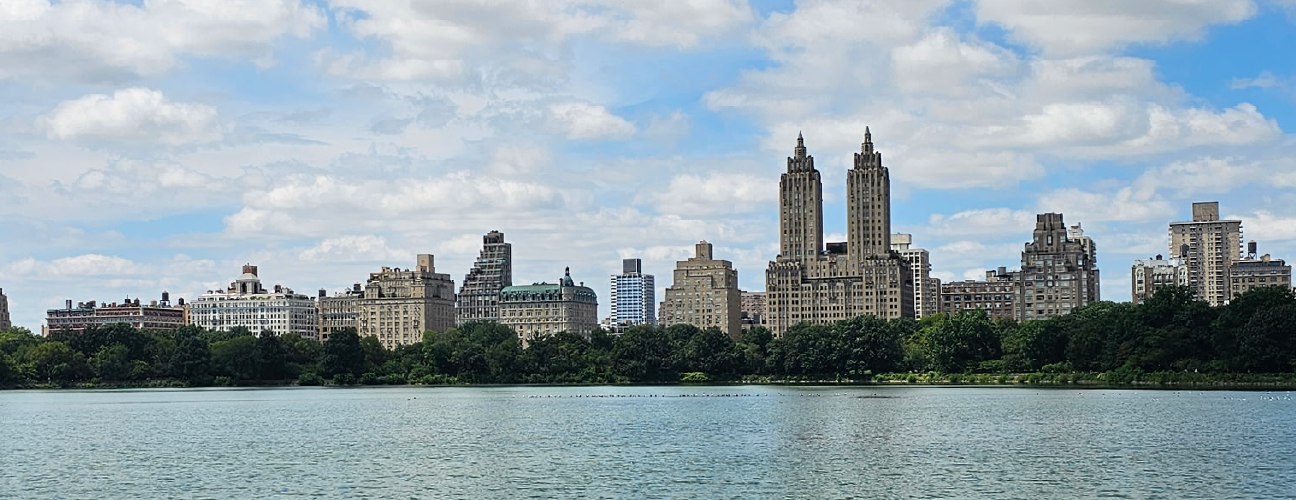
I recently returned from New York with far more than photos and restaurant recommendations (Though I definitely have some). Like any city with a rich architectural history, New York has a way of making you notice the built environment differently. Every street, every building, and every carefully considered space offers another reminder that design is about much more than aesthetics. It shapes how we experience the world around us.
Three moments from the trip stayed with me, each very different, yet all connected by the same underlying idea.
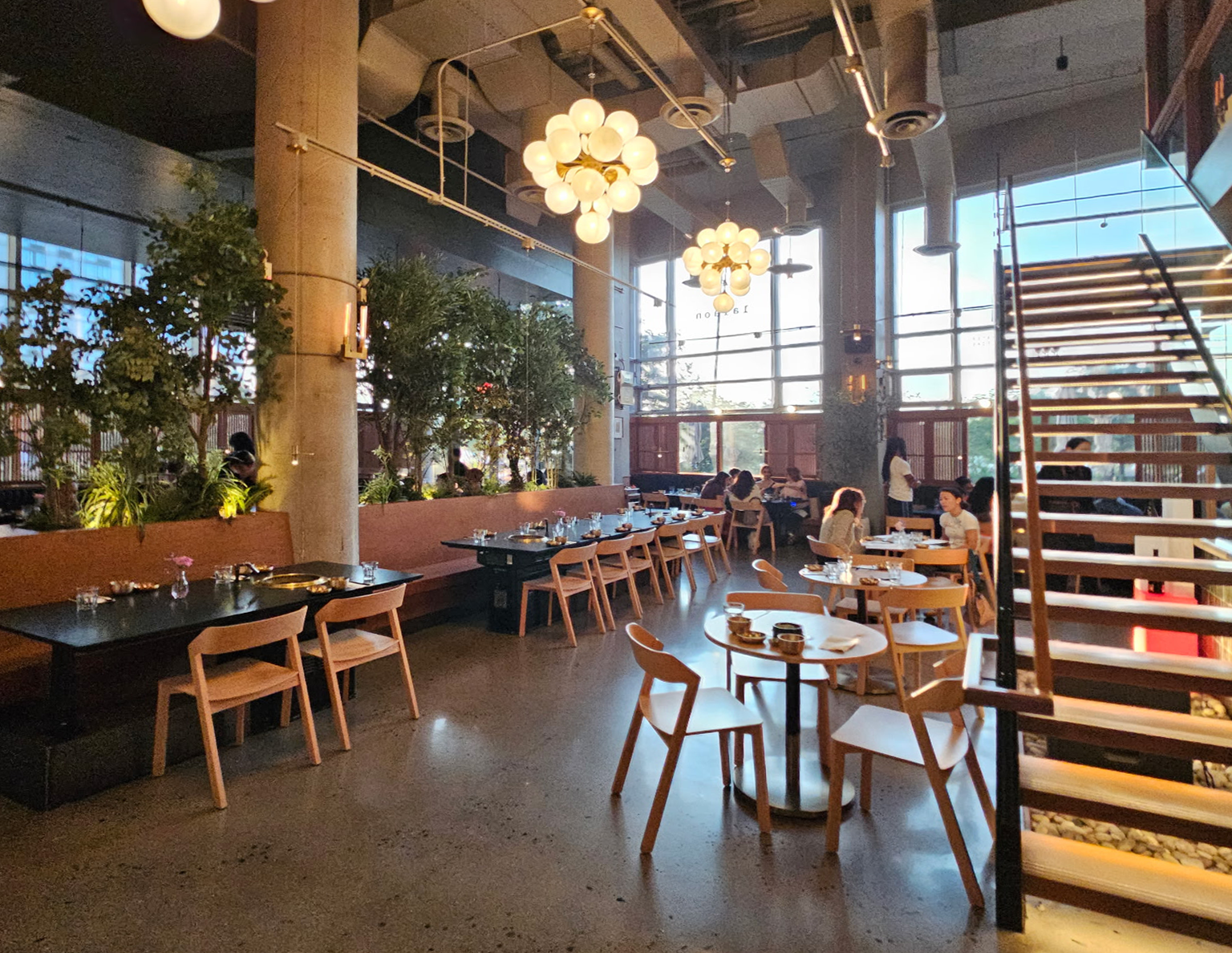
New York has no shortage of incredible restaurants, and certainly no shortage of exceptional food. Yet the restaurants that stayed with me offered something beyond what was on the menu.
They created an experience.
When the food is already outstanding, design becomes what distinguishes one restaurant from another. The lighting, materials, acoustics, music, and the way you move through the space all contribute to how an evening feels. They influence conversation, comfort, and memory in ways most guests never consciously think about.
The most memorable restaurants don't simply provide a beautiful place to eat. They create an atmosphere you want to return to.
As designers, that is an important reminder. People rarely remember every finish selection or lighting fixture. They remember how a space made them feel.
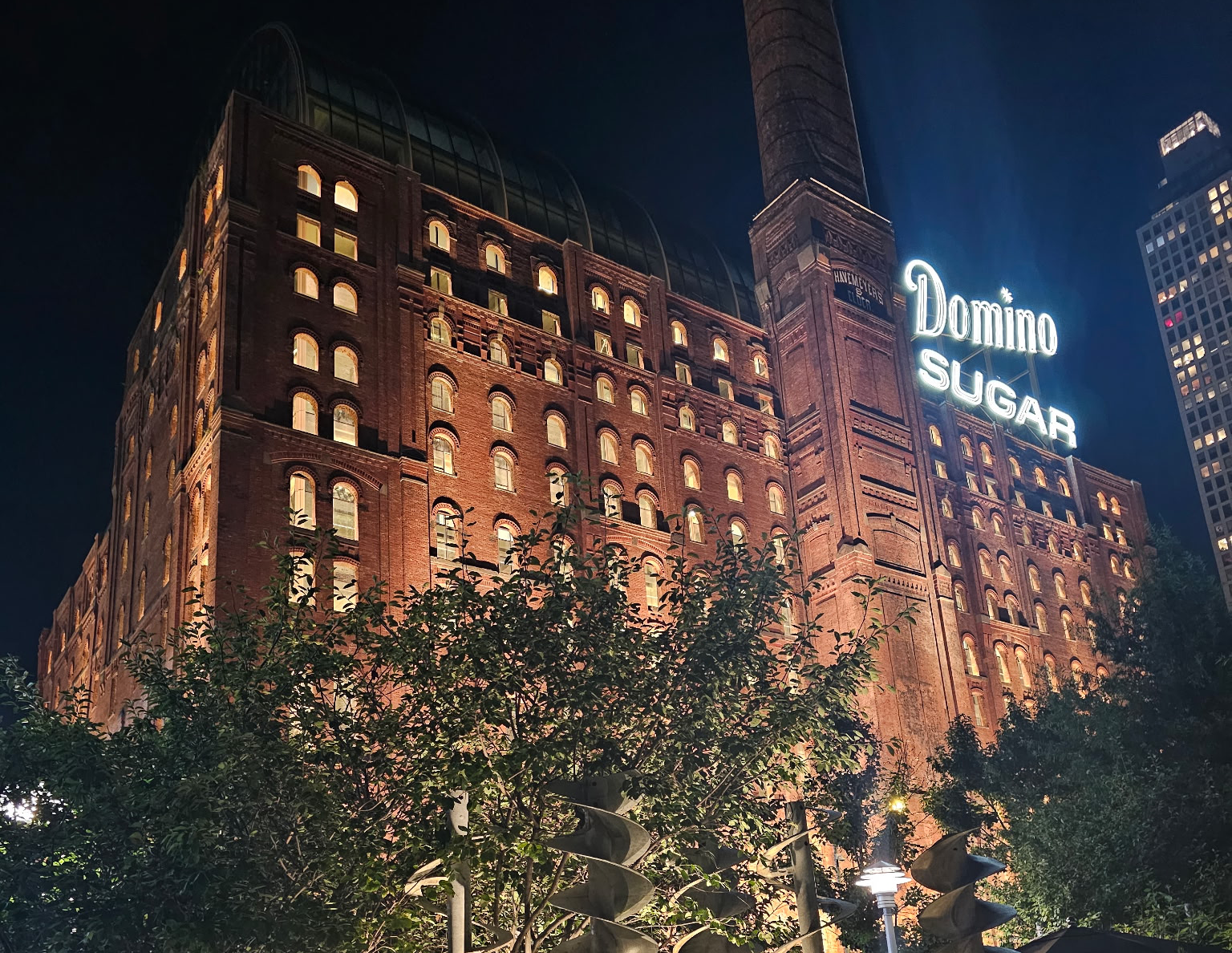
Another highlight of the trip was seeing New York's remarkable examples of adaptive reuse.
From former pencil factories becoming offices to commercial buildings being converted into residential developments, the city demonstrates what is possible when we stop seeing existing buildings as constraints and start seeing them as opportunities.
The Domino Sugar Refinery in Brooklyn is one of the best examples. Once part of the largest sugar refinery in the world, the historic brick structure has been transformed into modern office space while preserving its industrial character. Rather than replacing the building, the design inserts a contemporary glass structure within the existing shell, allowing the original brick walls and historic fabric to remain the defining feature.
The result feels respectful rather than imitative. It celebrates the building's history while preparing it for its next chapter.
With so many North American cities now exploring office-to-residential conversions and adaptive reuse, projects like Domino offer valuable lessons. Sometimes the most sustainable and meaningful building is the one that already exists.
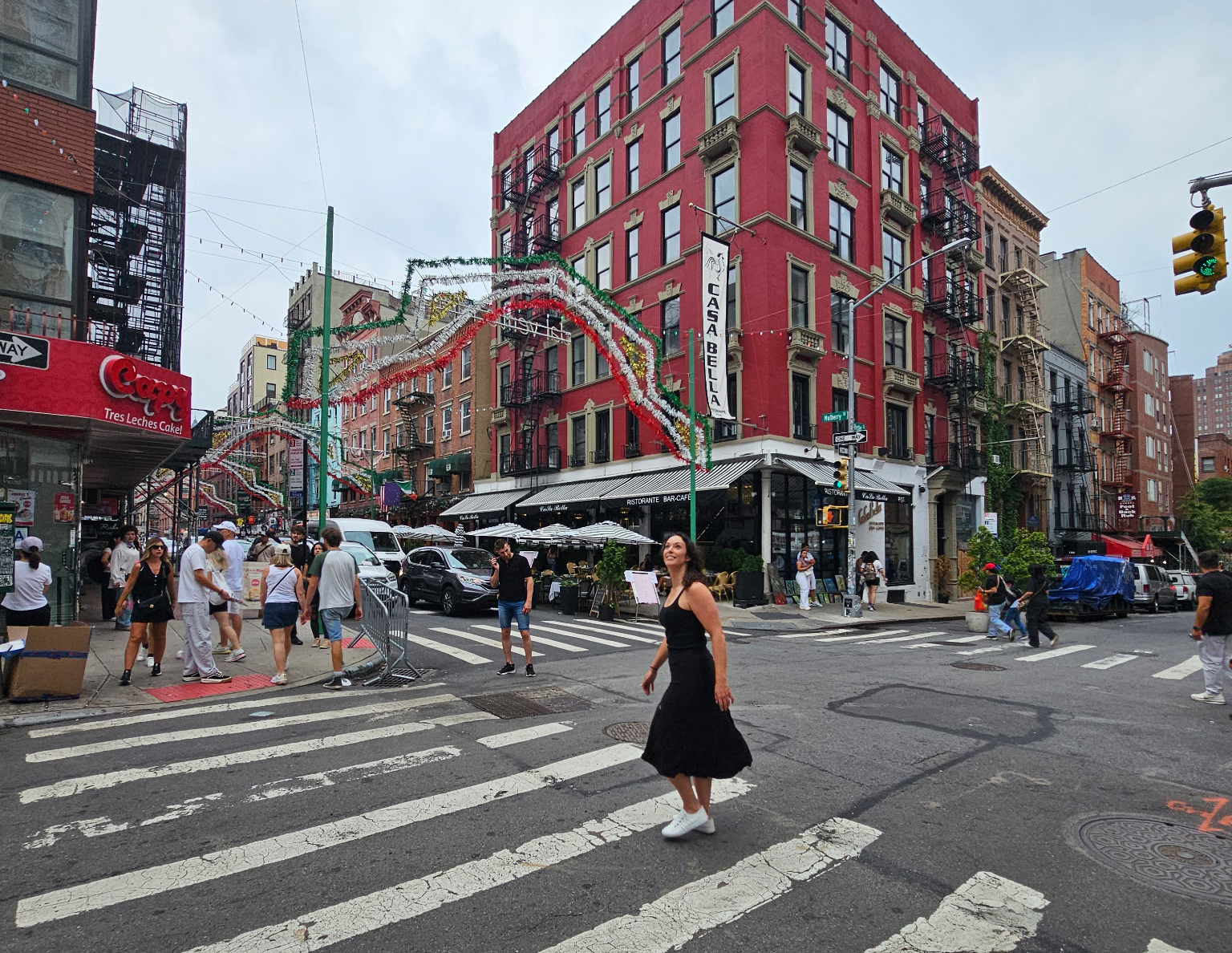
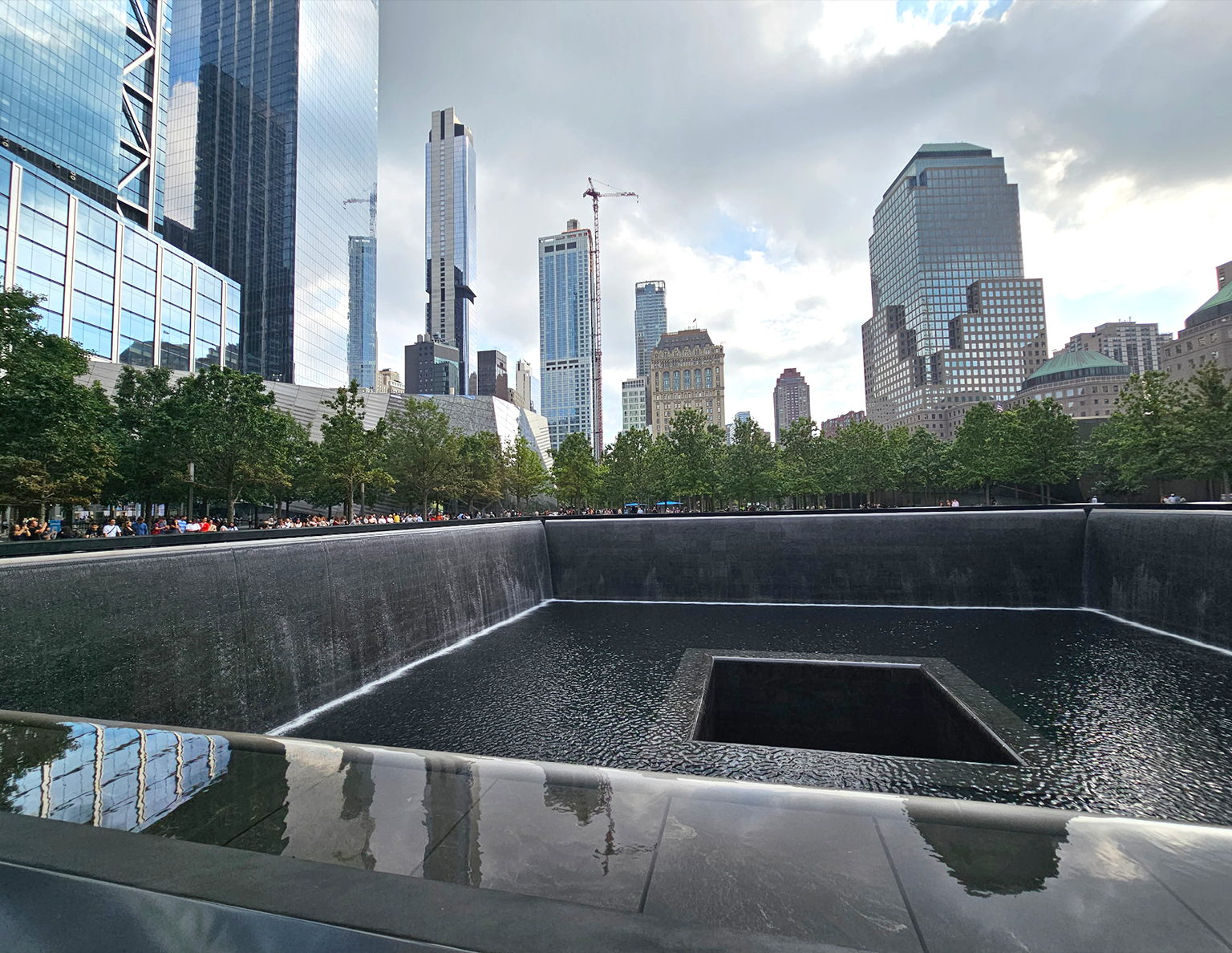
The final moment that stayed with me was visiting One World Trade Center and the 9/11 Memorial.
Standing atop One World Trade Center offered an incredible perspective over Manhattan. From above, the footprints of the original Twin Towers are immediately visible within the dense urban fabric.
What surprised me most, however, happened once I returned to ground level.
Despite being surrounded by one of the busiest cities in the world, the memorial felt unexpectedly quiet and serene. The transition from the energy of Manhattan into a space designed for remembrance was almost immediate. Nothing about that feeling was accidental. Through thoughtful landscape design, proportion, sound, materials, and spatial sequence, the memorial creates room for reflection amid constant movement.
It is a powerful reminder that good design can influence not only what we see, but what we feel.
At first glance, these experiences seem unrelated. A restaurant. A converted industrial building. A memorial.
Yet they all reinforced the same lesson.
The built environment quietly shapes our emotions, our behaviour, and our memories every single day. The best design often goes unnoticed because it feels natural. It simply allows people to connect, reflect, gather, work, or remember exactly as the space intended.
That is ultimately what great design does.
It is never just about creating beautiful places. It is about creating experiences that stay with us long after we leave.
If you’re planning a commercial, healthcare / wellness, workplace, education, retail, hospitality, or assisted-living project in Alberta or Western Canada, and want a licensed interior design partner who collaborates seamlessly with your contractor team.
If you want an interior design firm that brings strategic thinking, licensed expertise, and creative clarity to complex projects, Aray provides the leadership to move your project forward with confidence.
Start the conversation today.